Before AILEO
Your visitors were guessing.
Scroll-scanning FAQ pages. Closing chat bubbles. Abandoning carts when the answer felt one click too far. Every unanswered question is a lost conversation.
Step one · Crawl
We read your site the way your customers would.
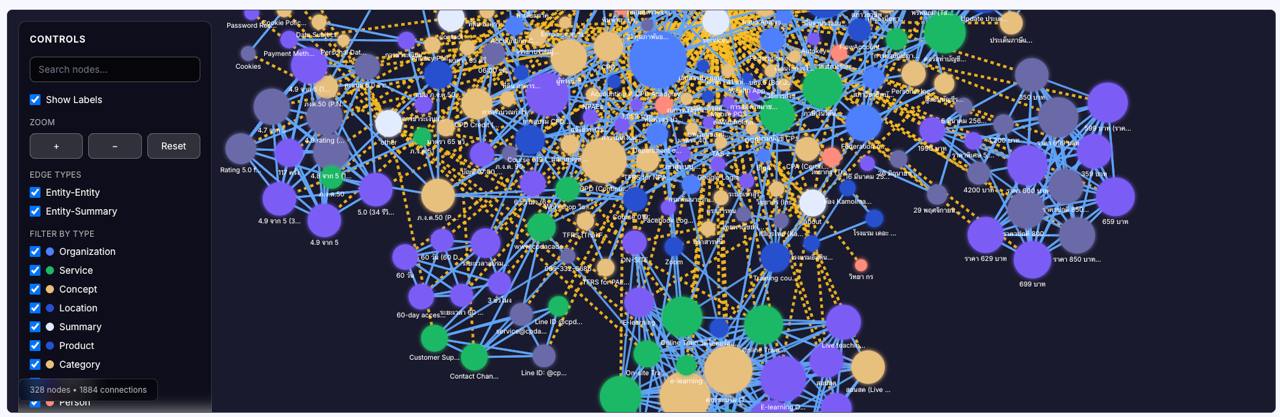
Playwright visits every page, every doc, every hidden corner. Content is chunked, embedded, and indexed — building a living map of everything you know.
Step two · Retrieve
Answers are grounded, never guessed.
When someone asks, vector search surfaces the most relevant chunks from your content. The AI speaks from your knowledge base — not a generic model's imagination.
Step three · Speak
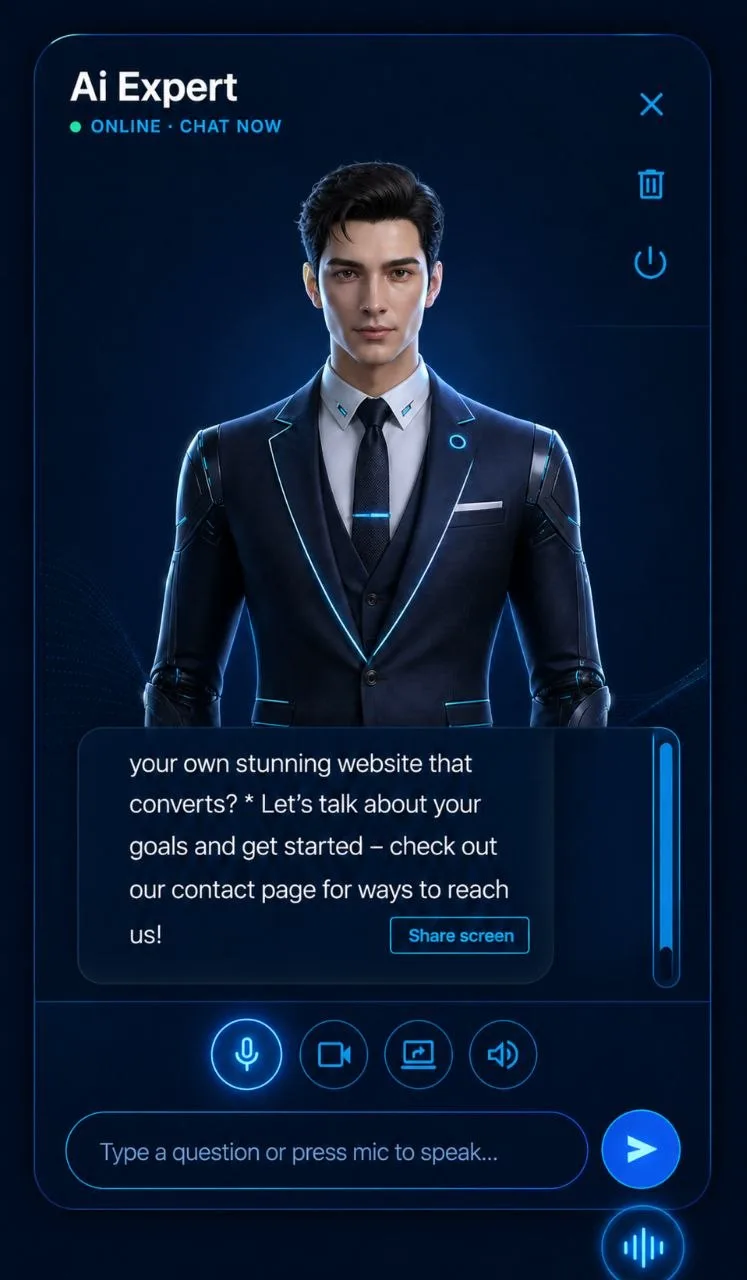
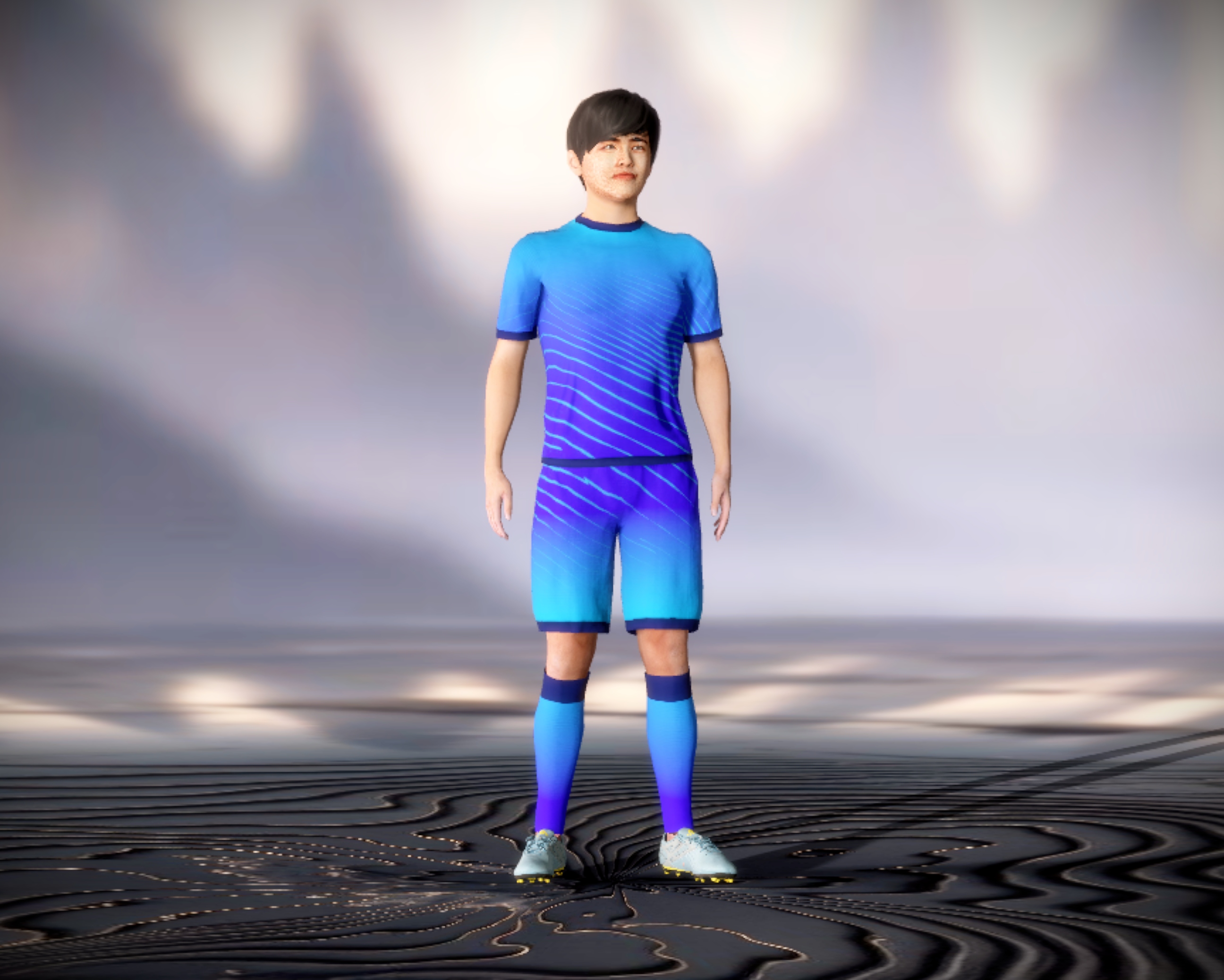
A 3D avatar that actually talks to them.
Text or voice. Real-time streaming. A face that nods, smiles, answers. The difference between a chat box and a conversation — and the reason visitors stay.
✕ 47% BOUNCE · 12s AVG SESSION
●/index18 chunks
●/products64 chunks
●/shipping12 chunks
⟳/faqCRAWLING
1,483 chunks · 1.2M tokens embedded
"do you ship to chiang mai?"
0.94
/shipping #120.81
/shipping #70.76
/faq #30.72
/faq #18